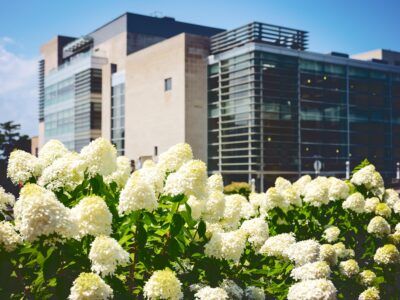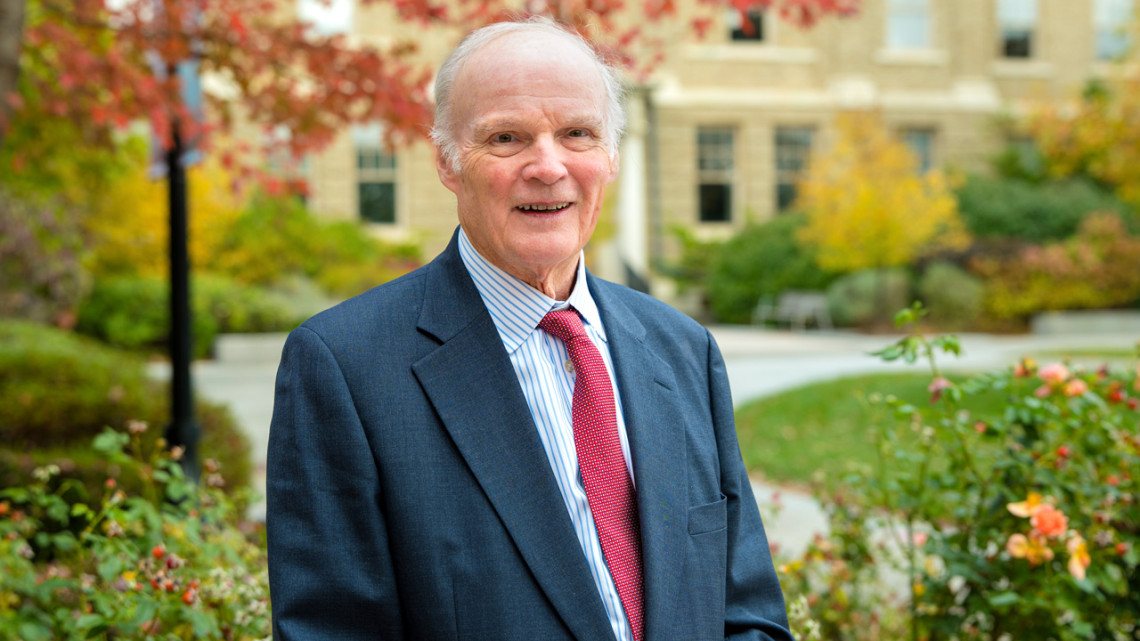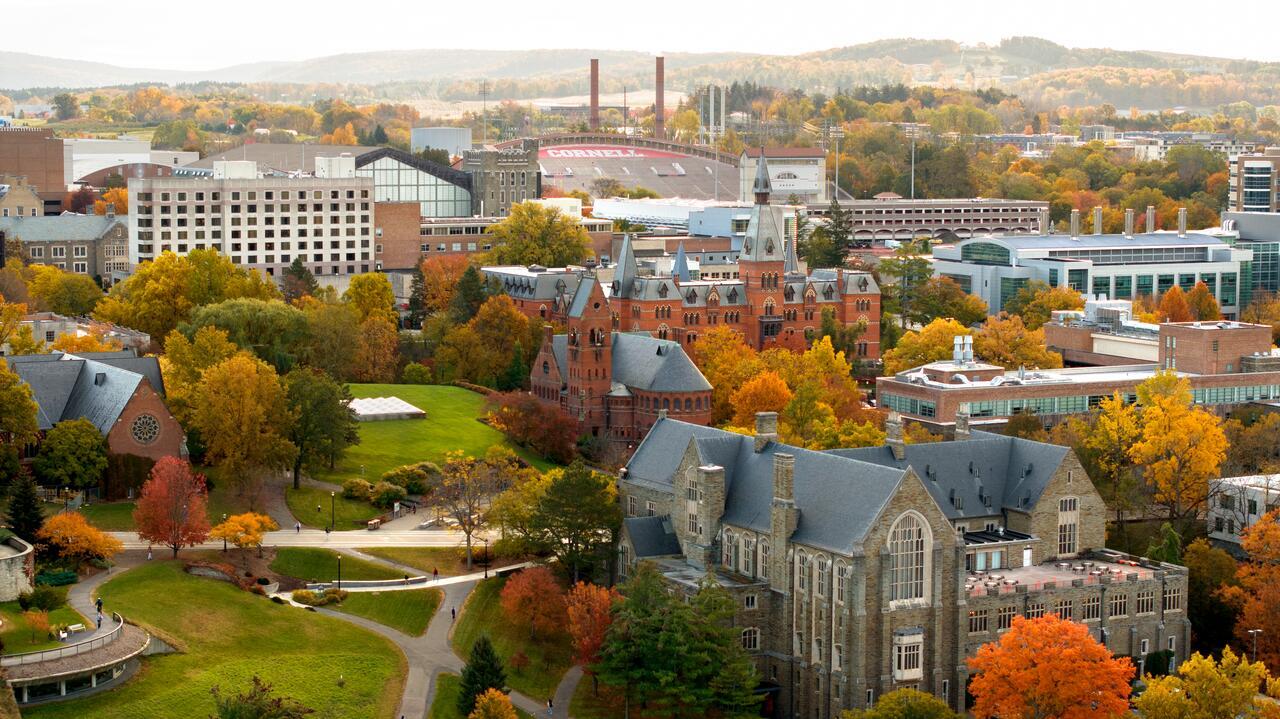
Leaves begin their transformation to fall colors around campus.

Developing real-world solutions

See how Cornell’s campaign has fueled research and discoveries that make a difference

Cornell researchers meet challenges head-on

Your support during Cornell’s To Do the Greatest Good campaign means that Cornellians can pursue ideas that matter. We’re addressing complex global challenges through radical collaborations across disciplines. From cutting-edge climate change solutions to new ways to treat cancer, Cornell research changes lives every day, in communities around the world.

3893
Cornellians and friends joined the cause to advocate for Cornell research through the Cornell Matters campaign

$4.7M
raised for research through the Provost’s Research Resiliency Fund from 320 donors

64%
of total campaign giving was designated for research, academic programs, faculty, and facilities
screenshot from the webinar

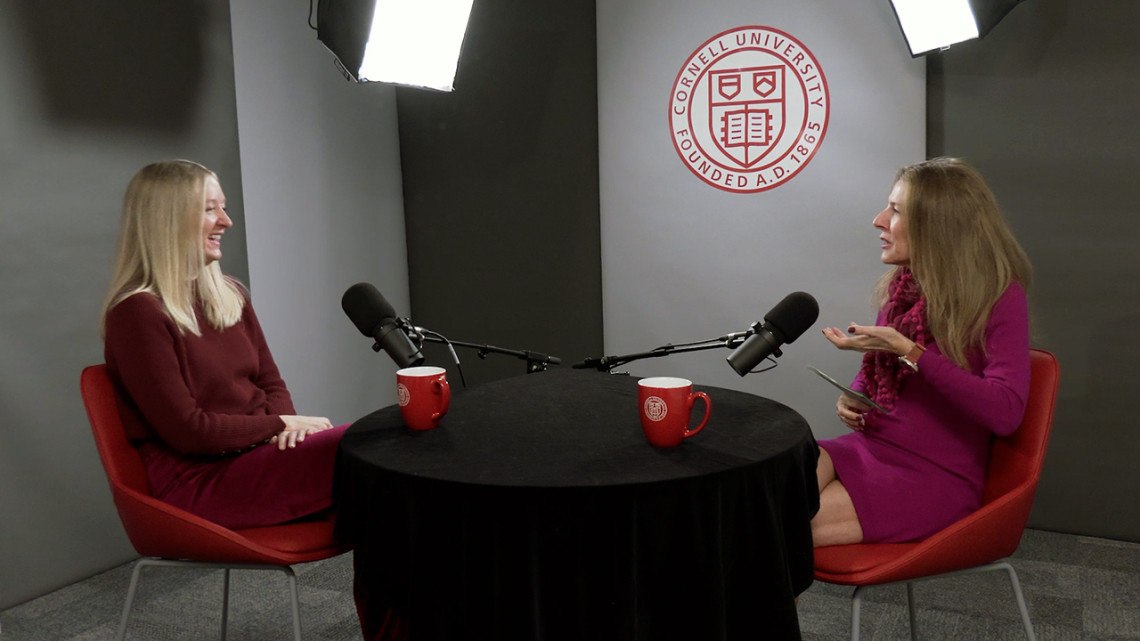
Research Matters’ video podcast translates ideas into impact

A new video podcast series from Cornell University Relations makes Cornell research visible and accessible to a broad public audience.

Watch the latest episode

Solving problems across disciplines

Innovation at Cornell happens across all subjects. Scholars are coming together from the Ithaca, Weill Cornell Medicine, and Cornell Tech campuses. And Cornell’s reach extends beyond academia—through partnerships that help translate research into real-world impact.

Your support helps Cornellians connect across fields ranging from physics to fine art, ensuring that Big Red research delivers results.

Research resumed: Stopped projects come back to life

Federal research funding that supports many Cornell projects resumed seven months after it stopped. Affected projects range from developing a pediatric heart pump to exploring ways to ensure active-duty military personnel get adequate nutrition.

Largest gift in university history names Cornell David A. Duffield College of Engineering, advances research excellence

Among the gift’s many impacts are advancing research excellence in areas like quantum engineering science and technology, engineering human health, and AI and data-driven decision-making.

Three early-career professors win NSF development awards

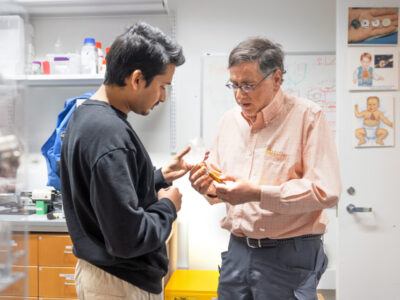
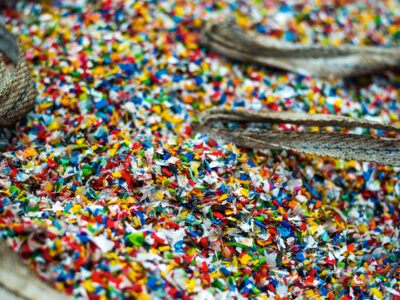
Cornell researchers studying microplastics, robotics, and machine learning are recent recipients of National Science Foundation Faculty Early Career Development Awards.

Gift names Cornell Jeb E. Brooks School of Public Policy, helps solve global policy challenges

A major gift endowed and named the Cornell Jeb E. Brooks School of Public Policy, advancing the school’s long-term mission to help solve complex global policy challenges, from inequality to sustainability.

Donor’s fund enables dedicated humanities research
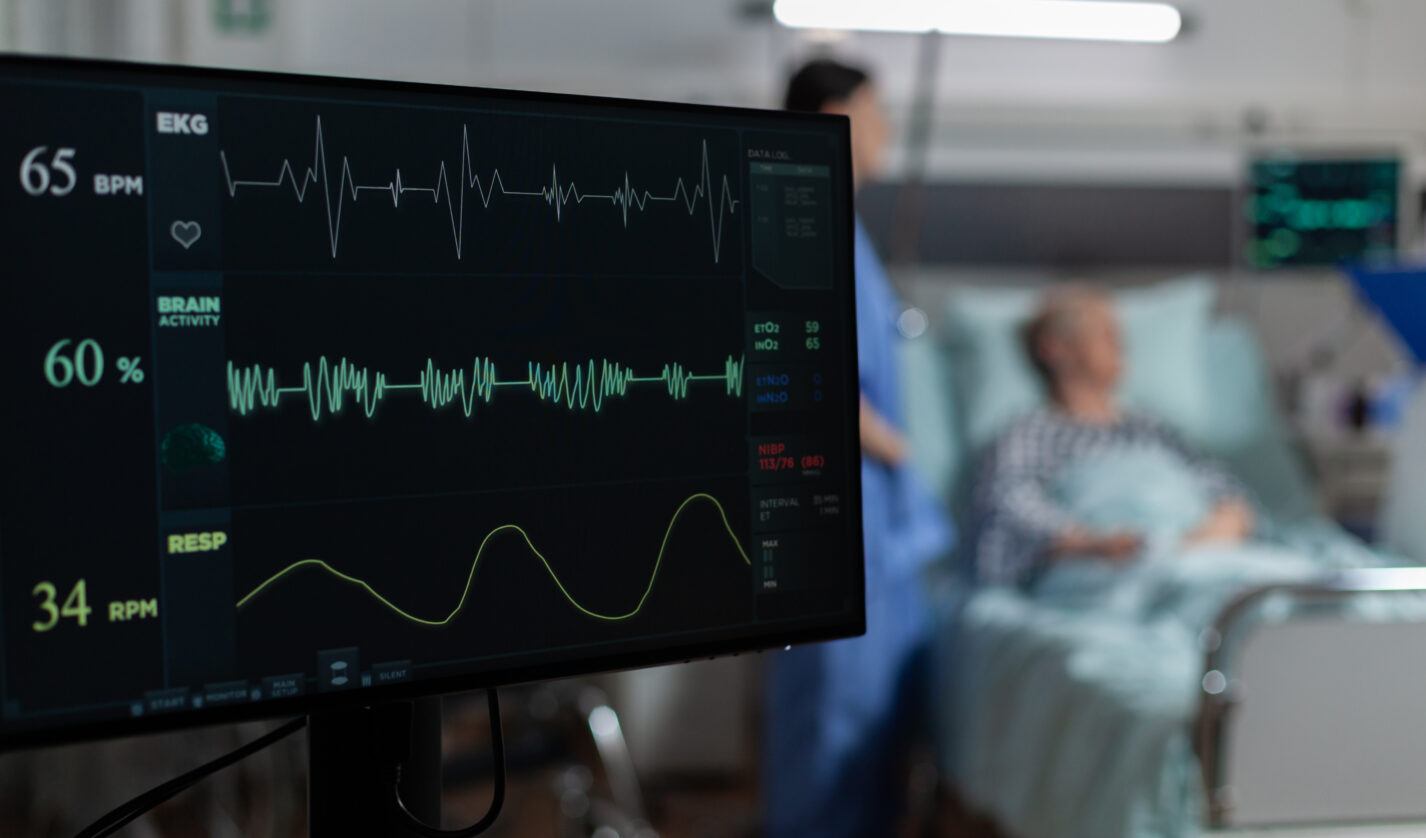
Jonathan Zhu JD ’92 and Ruby Ye MS ’90, PhD ’92, established the Zhu Family Graduate Fellowships for doctoral students in the humanities. The fellowships support three students per year and allow them to focus fully on their research.

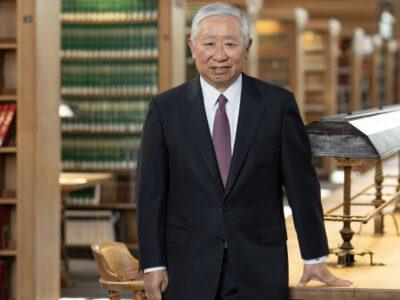
Gift names Martin Y. and Margaret Lee Tang Hall, and enhances faculty and research excellence

A significant gift from Martin Y. Tang ’70 and Margaret Lee Tang will measurably enhance faculty excellence through the recruitment, support and retention of exceptional researchers, educators and scholars.

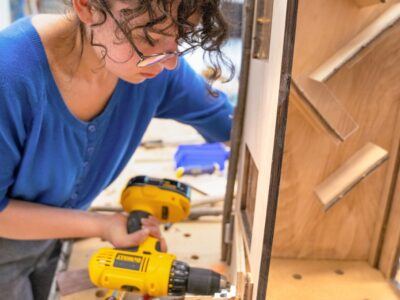
Gift to Human Ecology supports cross-college design research and collaboration

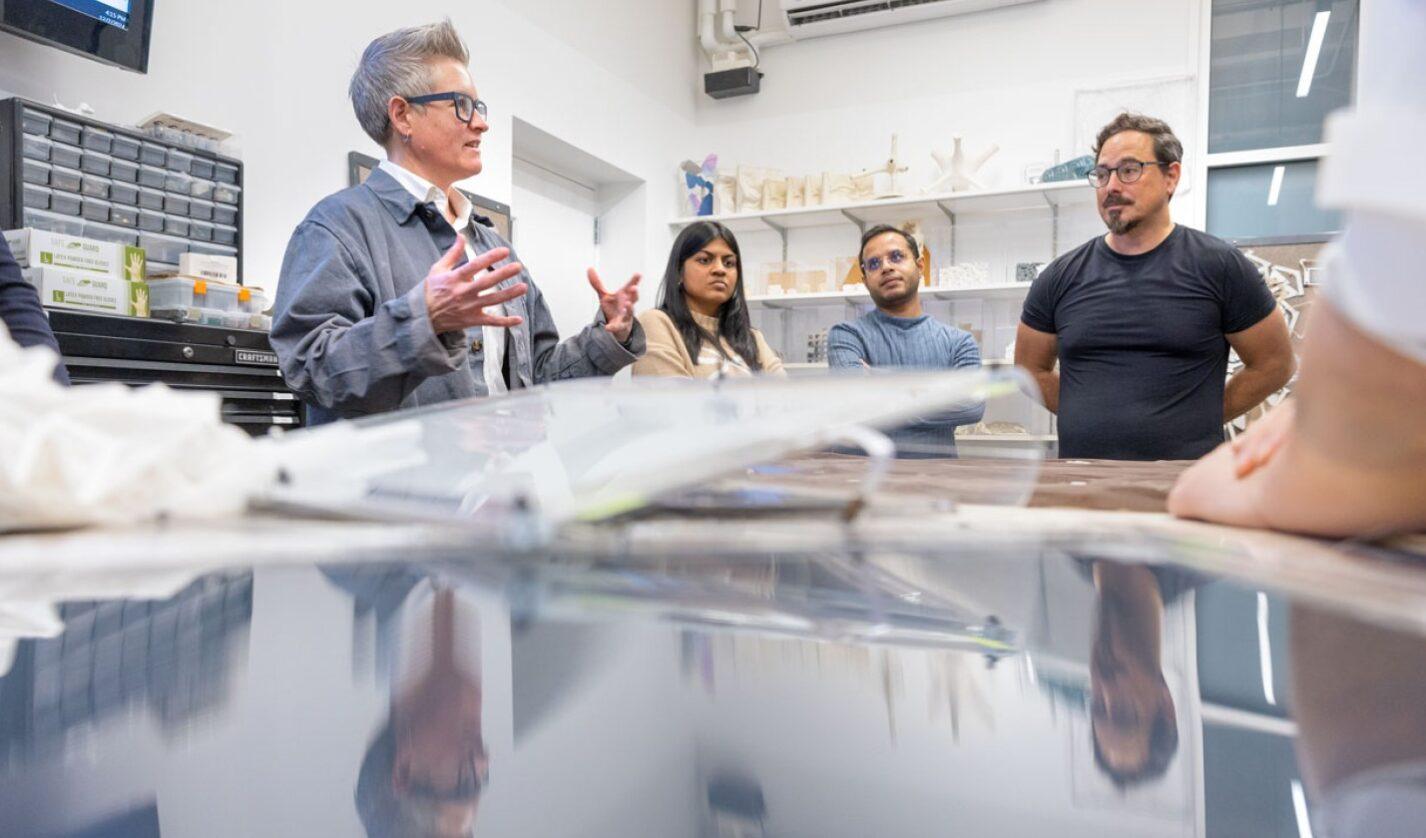
The gift supports a design makerspace to help meet increased demand from faculty and students across campus for a large, unstructured, and flexible research facility for developing new prototypes.

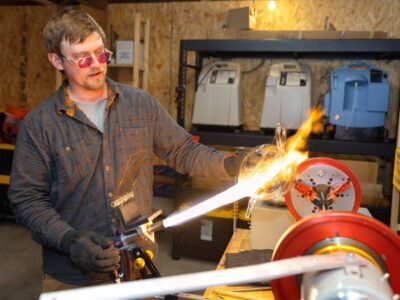
Fired up: Glassblower crafts the tools of innovation

Cornell’s only scientific glassblower, Sean Donlon, works with researchers who need glass instruments repaired, modified or, sometimes, designed and made from scratch. He applies craftsmanship, problem-solving, and a deep understanding of glass to support research and innovation.

$11.5M gift strengthens hospitality research, teaching

A gift from C. Kenneth Grailer ’53, food and beverage entrepreneur, investor and champion of hospitality education, supports the Cornell Peter and Stephanie Nolan School of Hotel Administration by expanding the Center for Hospitality Research, helping renovate the Grailer Food Labs and providing student scholarships.

$10M gift to A&S boosts College Scholar Program

A gift from Robert S. Harrison ’76 enhances the College Scholar Program in the College of Arts and Sciences. The gift also supports undergraduate scholarships and expands support and funding for student research and summer experiences.

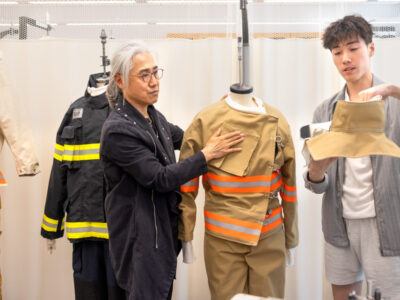
Redesigned fire gear offers more cooling, less toxicity

A Cornell researcher’s bold new redesign of firefighter gear—which hasn’t significantly changed in decades—is more versatile and better adapted to their actual work.

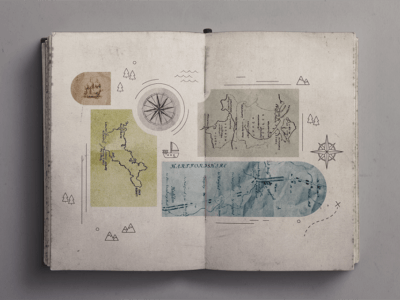
Digital humanities scholars chart lost art of maps in novels
The research illustrates how Cornell scholars in the field of digital humanities use computational methods, including AI, to unearth insights from literature that would otherwise evade the most vigilant readers.
As staff biological illustrator at the Cornell Lab of Ornithology and graphics editor for its Living Bird magazine, Jillian Ditner is part science communicator, part artist. Jillian also mentors other artists who hope to follow in her footsteps, in her role as an educator and director of the Bartels Science Illustration Program.


Leading with emerging technology and AI

Cornell’s leadership in AI is crucial. We’re defining a future that meets human needs and puts humanity first. Standing by our land-grant mission, we’re committed to deploying AI and other cutting-edge technologies to support societies and communities.
Through efforts like the Cornell AI Initiative, research labs at Cornell Tech, and student project teams, Cornellians are connecting their technical research to real-world applications—now, and into the future. Your support helps students and faculty test ideas through careful experimentation and hands-on experiences.

When should robots be used? Cornell experts weigh in.

We’re really in the early days of AI being implemented in health care, and what happens in the next three years or so, that’s going to get baked into the system. And so, if we make energy conscious decisions right now, we’ll have a more efficient system.
—Dr. Chethan Sarabu ’09, director of clinical innovation for the Health Tech Hub at Cornell Tech

Brooks senior develops national index tracking AI healthcare policy

Brooks senior Will Moss ’26 developed the Health and AI Policy Index (HAPI), a public database tracking healthcare AI legislation and governance efforts across a broad spectrum of regulatory frameworks.

AI tool helps students build confidence speaking foreign languages

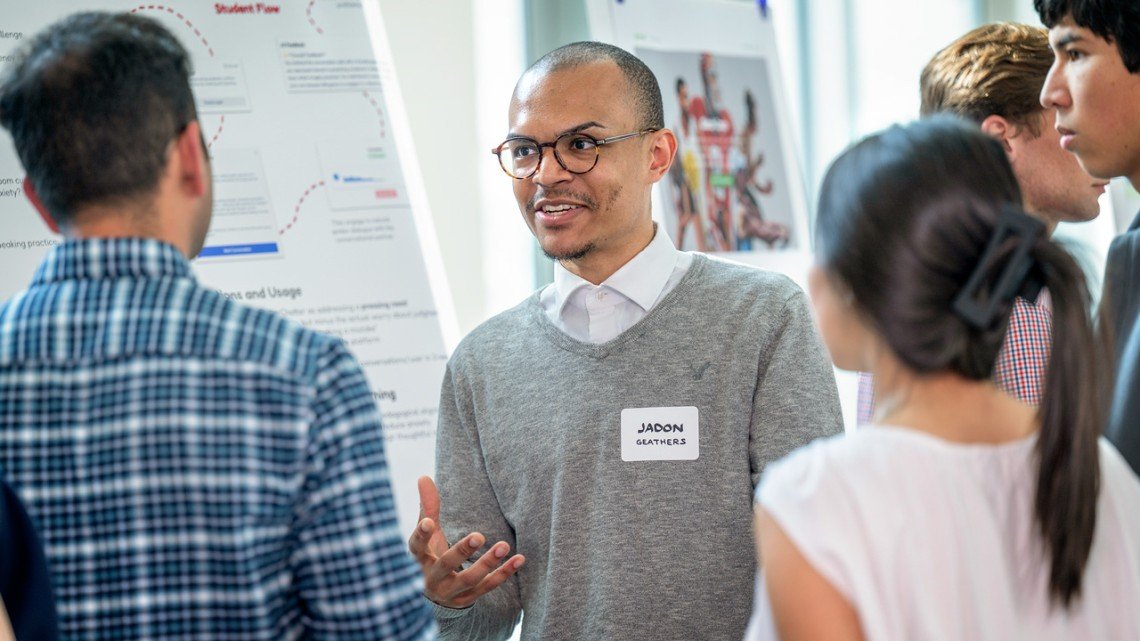
Jadon Geathers, a doctoral student in the field of information science, created ChitterChatter—a foreign language conversation tool that uses AI to give students a low-stress way to practice their speaking skills.

Smart drones, safe skies: Student’s system tests, coordinates drone fleets

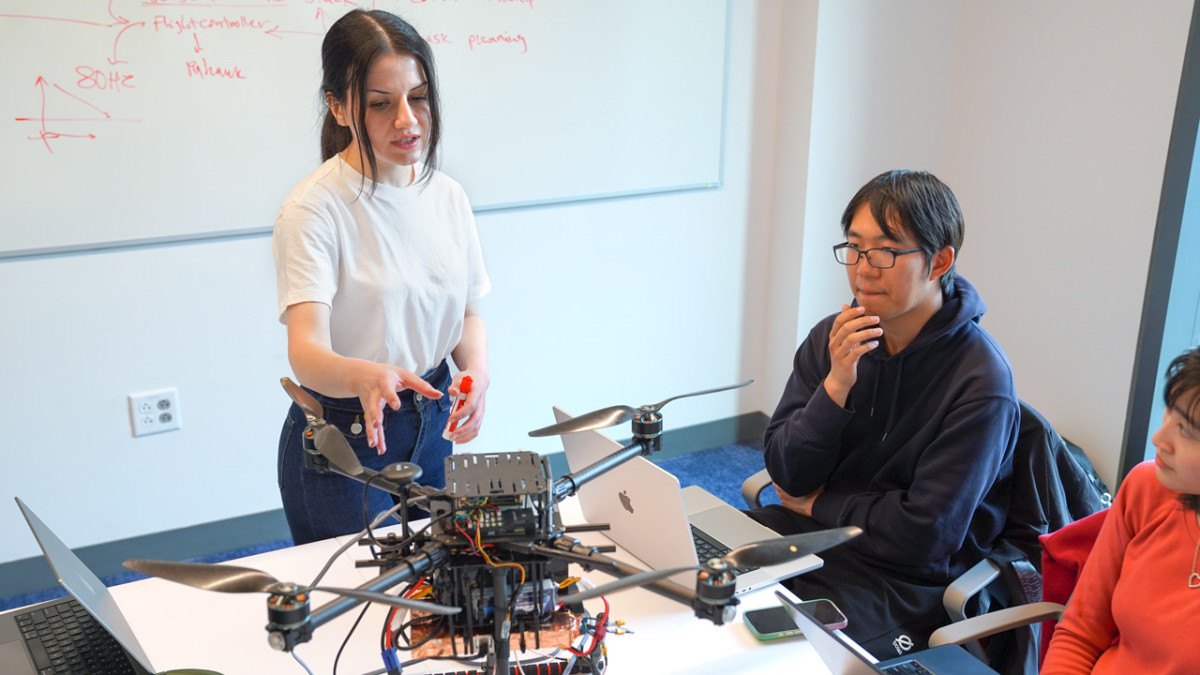
“Airspace as we know it is going to change,” says doctoral student Mehrnaz Sabet. “Many types of drones are going to be integrated into the airspace. We need new infrastructure that, like the drones themselves, is highly automated and autonomous.”

Gift from Ann S. Bowers ’59 creates new college of computing and information science

A transformative gift from Ann S. Bowers ’59—a Silicon Valley champion and longtime philanthropist—established the Cornell Ann S. Bowers College of Computing and Information Science, supporting Cornell’s preeminence in these fields.

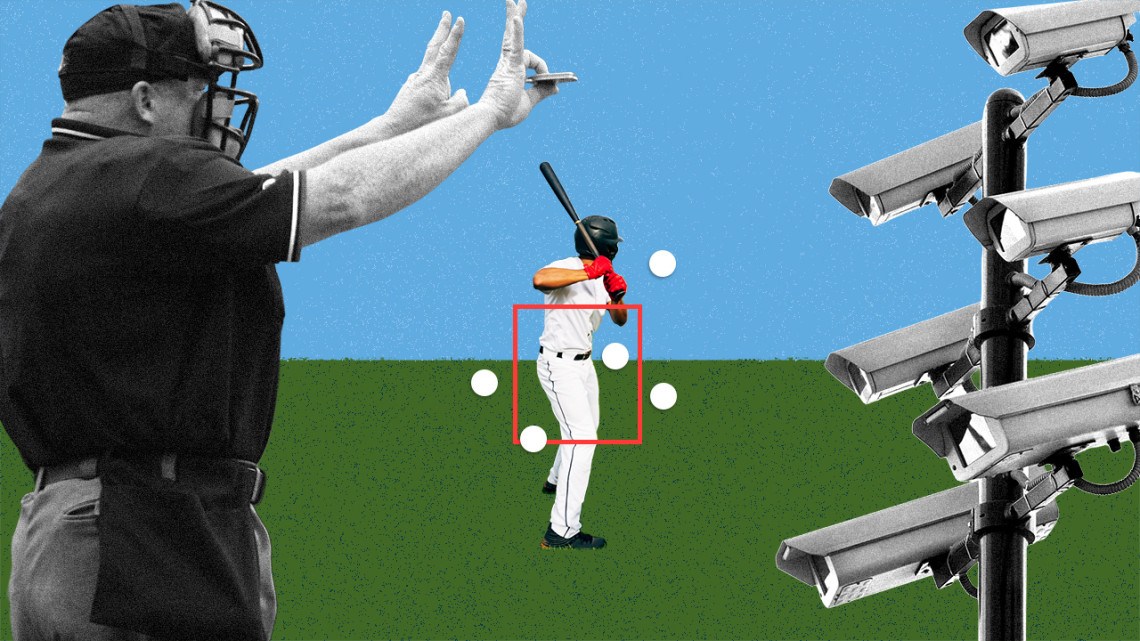
AI on deck: assessing impact of MLB’s new ball-strike system

A Cornell research team is studying how Major League Baseball stakeholders are integrating the Automated Ball-Strike System (ABS)—which tracks pitches in real time—into baseball’s gameplay.

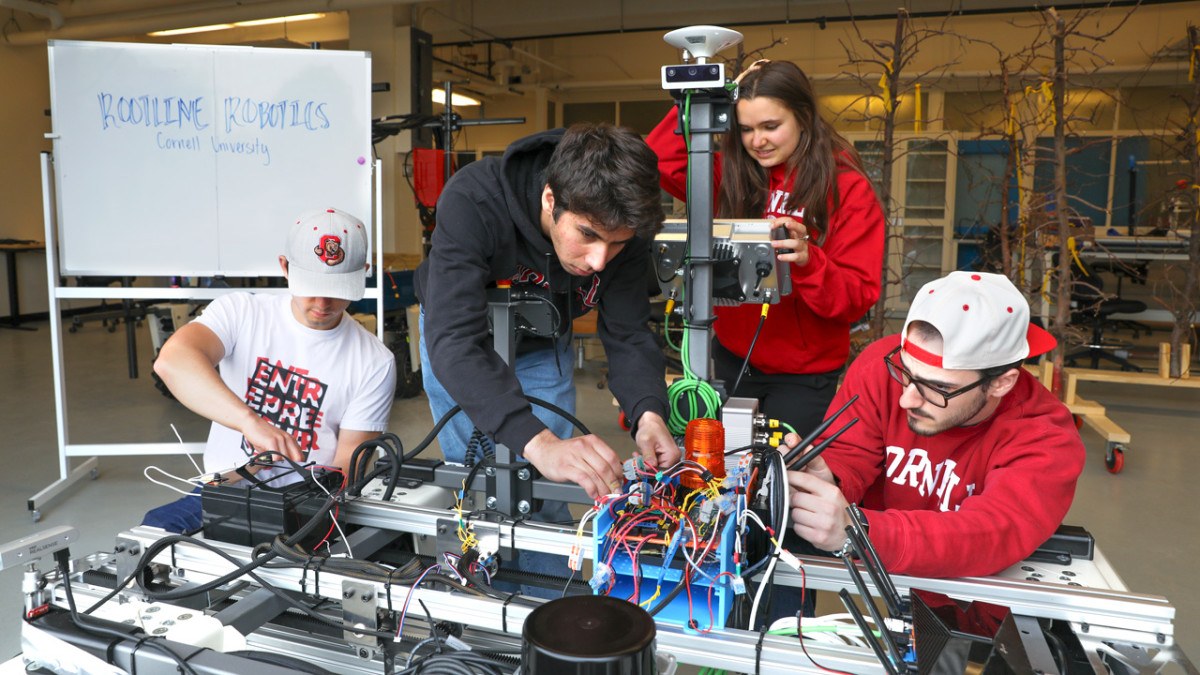
Undergrads’ weed-killing robot wins top prize

Cornell undergrads created an autonomous robot that can travel through a vineyard or orchard without a human operator, zapping weeds with a small amount of electricity. Their robot can save labor and energy and prevent crop loss—without the use of herbicides.

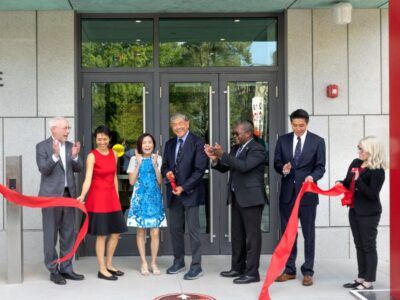
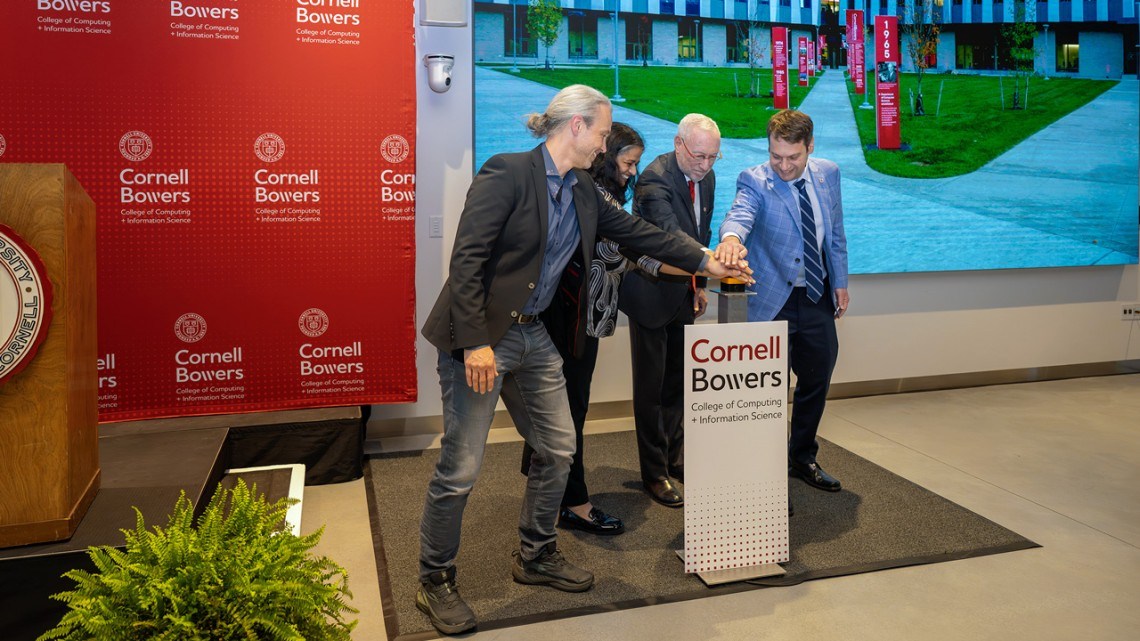
New Cornell Bowers building dedicated

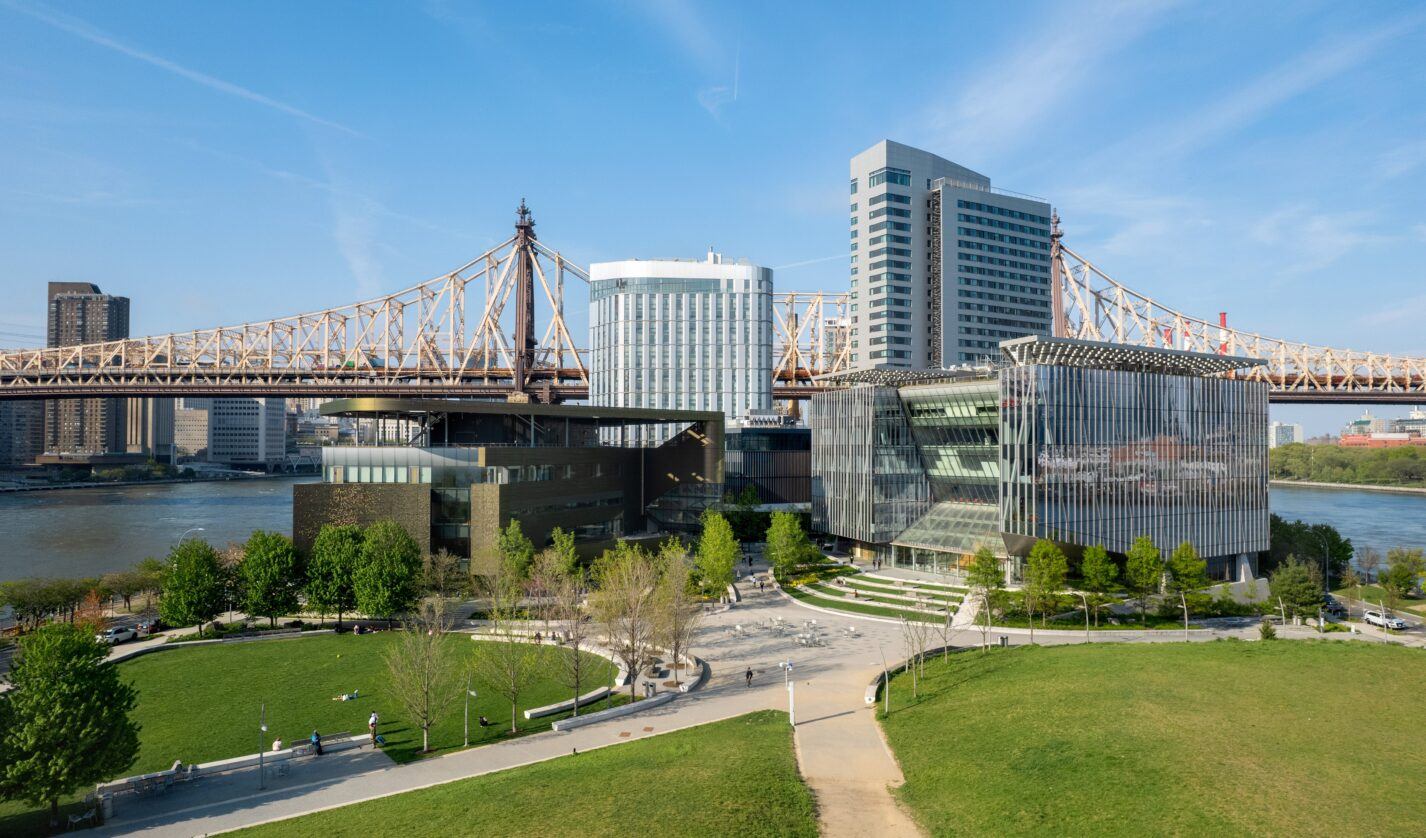
The four-story Computing and Information Science Building provides space for faculty, students and staff from all three Cornell Bowers departments. The new spaces will help increase collaboration and interdisciplinary work. Gifts from Steve Conine ’95 and Alexi Conine ’96, and Niraj Shah ’95 and Jill Shah helped make the new building possible.

Cornell expands AI Critical Literacy Program

The program aims to help incoming students, as well as faculty and staff, increase their understanding of how AI tools work, how large language models are developed, and what they can do.

Morgans’ $1.25M gift to support AI fellows program

A three-year, $1.25 million seed grant from long-time Cornell donors James C. Morgan ’60, MBA ’63 and Rebecca Quinn Morgan ’60 is supporting an AI fellows program focused on operational and administrative transformation at Cornell.

$10M gift to Cornell Bowers supports AI advancement

A $10 million gift from Josh Kulkin ’01 to the Cornell Ann S. Bowers College of Computing and Information Sciences will bolster the university’s position as a world leader in foundational AI research.

Gift will fund research using Empire AI

A five-year, $10.5 million gift from philanthropist Tom Secunda, co-founder of Bloomberg L.P., will help fund AI-related research at Cornell Tech in New York City and at the Cornell Ann S. Bowers College of Computing and Information Science in Ithaca.

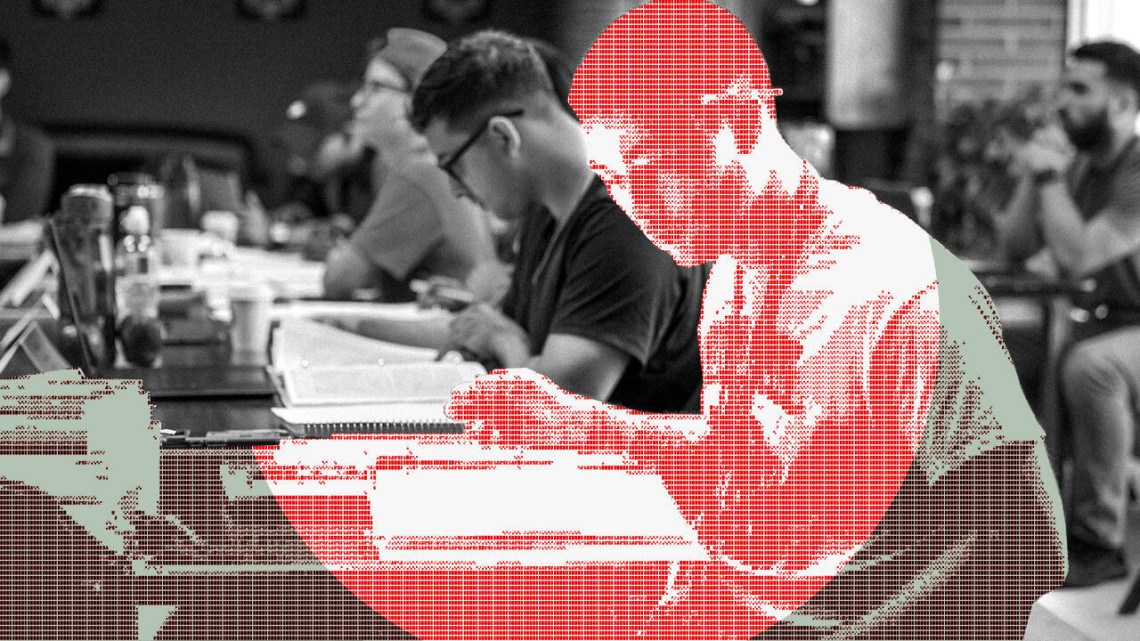
AI in education initiatives emphasize experimentation, balanced use

Two new initiatives involving artificial intelligence in Cornell classrooms will encourage experimental and balanced use, while exploring ways to deploy AI that align with the teaching needs and strategies of individual academic fields.

3200
full-time jobs provided by Cornell startups since 2020

140+
startups launched through Cornell Tech, thanks to campaign investments

$768M
in economic value for NYC generated by the Cornell Tech campus, its graduates, ventures, and partnerships

The Fred Young Submillimeter Telescope (FYST), located in Chile’s Parque Astronómico Atacama, will address fundamental questions about the universe and advance human understanding of cosmology and astrophysics.


Improving health for people and animals

Cornell is shaping the healthcare of tomorrow. Physicians and scientists from Weill Cornell Medicine, the Ithaca campus, and Cornell Tech are working together to pioneer new diagnostics, treatments, and preventive strategies.

Our research spans nearly every aspect of health and disease. Patients benefit from access to the latest discoveries, at every step of the way. Your support helps drive our progress—literally saving lives, every day.

Researchers at the College of Veterinary Medicine are studying horses to better understand women’s reproductive health, leading to new insights.

My research is to provide an implantable miniature heart assist device that will allow young children to survive, to either recovery or to a definitive heart transplant.
—James Antaki, professor in the Meinig School of Biomedical Engineering at Cornell Duffield Engineering and developer of the PediaFlow device

Weill Cornell Medicine boosts medical research and health care in Tanzania

Physicians are earning doctorates in the MD/PhD program at Weill Bugando School of Medicine, Weill Cornell’s long-time collaborator in Mwanza, Tanzania. Together, the two institutions are fostering a new generation of physician-researchers in a country with very few physicians and researchers.

New biodegradable graft could help cardiovascular patients

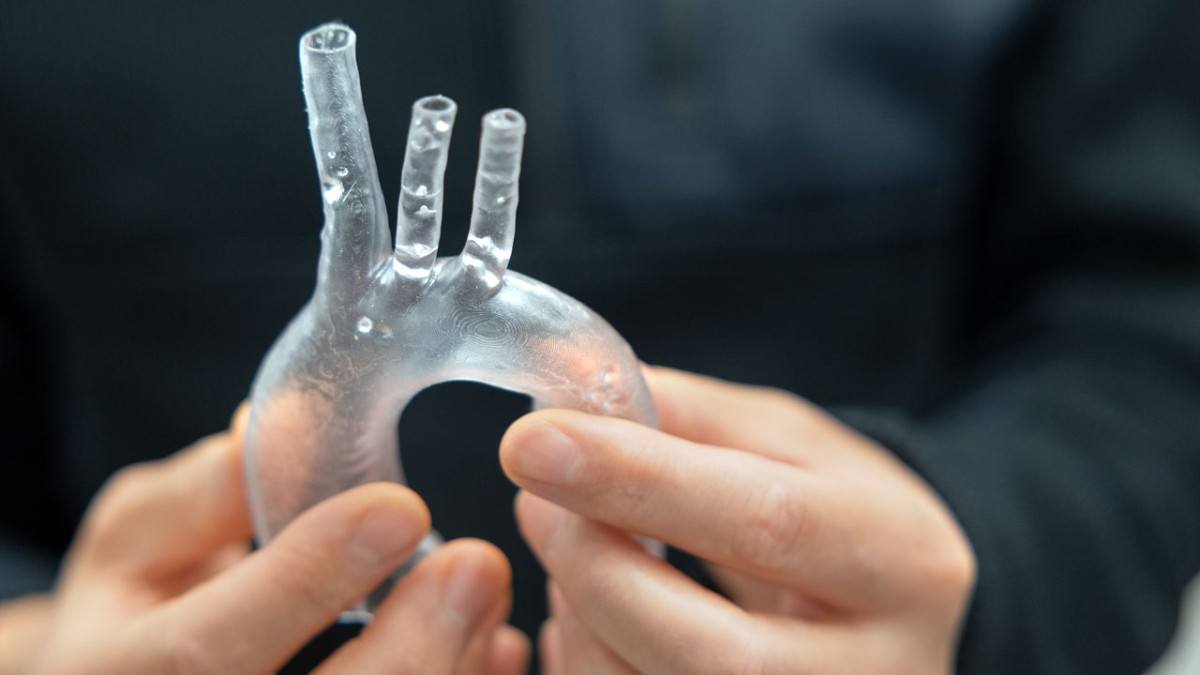
Cornell engineers created a biodegradable graft that looks like a tough, stretchy straw—and it expands and contracts like veins and arteries do as blood pumps through it. These vascular grafts are used to combat cardiovascular disease, the leading cause of death worldwide.

Stroke test tech receives 'breakthrough' status from FDA

Cornell researchers at the Baker Institute for Animal Health discovered an innovative technology that could rapidly detect a biomarker associated with acute ischemic stroke using a simple blood test.

MediKnit: How Cornell researchers are redesigning edema care

Cornell Human Ecology’s Hybrid Body Lab designs low-cost, on-body medical technology for human thriving. MediKnit, a research partnership with Weill Cornell‬ Medicine, improves lives for patients living with edema.

Digital docs: How AI is helping train medical students

By simulating telehealth, this tech lets future physicians—at Cornell and elsewhere—hone their diagnosis and communication skills.

Transformational gift expands Weill Cornell Medicine research enterprise

A historic investment from Board of Fellows member Israel Englander is advancing Weill Cornell Medicine’s growing research enterprise and supporting critical initiatives throughout the institution. Two departments will be named in his honor—the Israel Englander Department of Dermatology and the Israel Englander Department of Ophthalmology.

Gift advances Duffield Engineering-led menopause research

A $1.2 million gift from Michael J. Kelly ’92 and Kristin Miljus Kelly will accelerate Menopause Health Engineering, an emerging research effort led by the Cornell Duffield College of Engineering.

Gift names the Joan Klein Jacobs Center for Precision Nutrition and Health

A foundational gift has endowed and named the Joan Klein Jacobs Center for Precision Nutrition and Health in the College of Human Ecology (CHE), expanding Cornell’s portfolio of research and programs in the emerging field of precision nutrition.

Research becomes reality for biomed startups

A program called Ignite Cornell Research: Lab to Market is nurturing three early-stage biomed startups that could better detect illnesses, unlock RNA insights to develop new therapies and improve IVF treatment—among more than 100 other projects.

AI tools show promise for diagnosing advanced heart failure

“The close interaction between clinicians and AI researchers on this project ended up driving the development of new AI techniques that would not have been explored otherwise. So, this was a case of medicine shaping the future of AI—not just AI shaping the future of medicine.” —Deborah Estrin, associate dean for impact at Cornell Tech.

Undergrad creates smart syringe for bioprinting

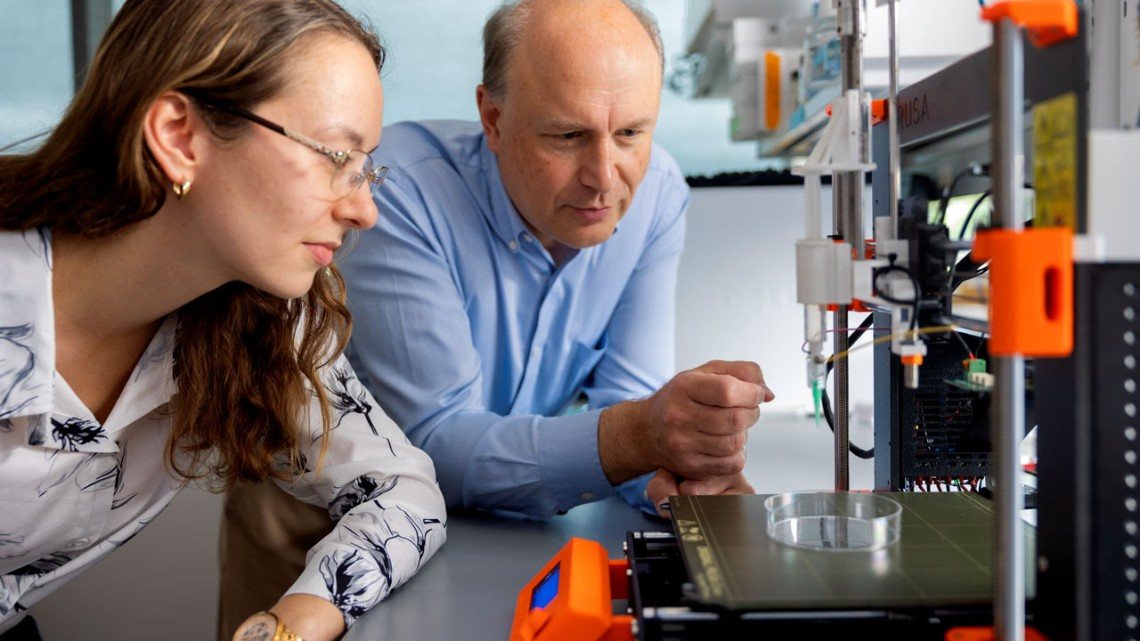
Jared Matthews ’21 and Professor Lawrence Bonassar created a smart sensor that attaches to the tip of a syringe to measure, in real time, the concentration and viability of cells passing through it. This technology could enable surgeons and biomanufacturers to produce higher-quality implants of living tissue and organs.

Dr. Elisha Frye DVM ’10, associate professor of practice, explains how she and Cornell’s Animal Health Diagnostic Center work at the front lines of detecting and preventing diseases that can jump between animals and humans.

Major gift helps launch Canine Health Center

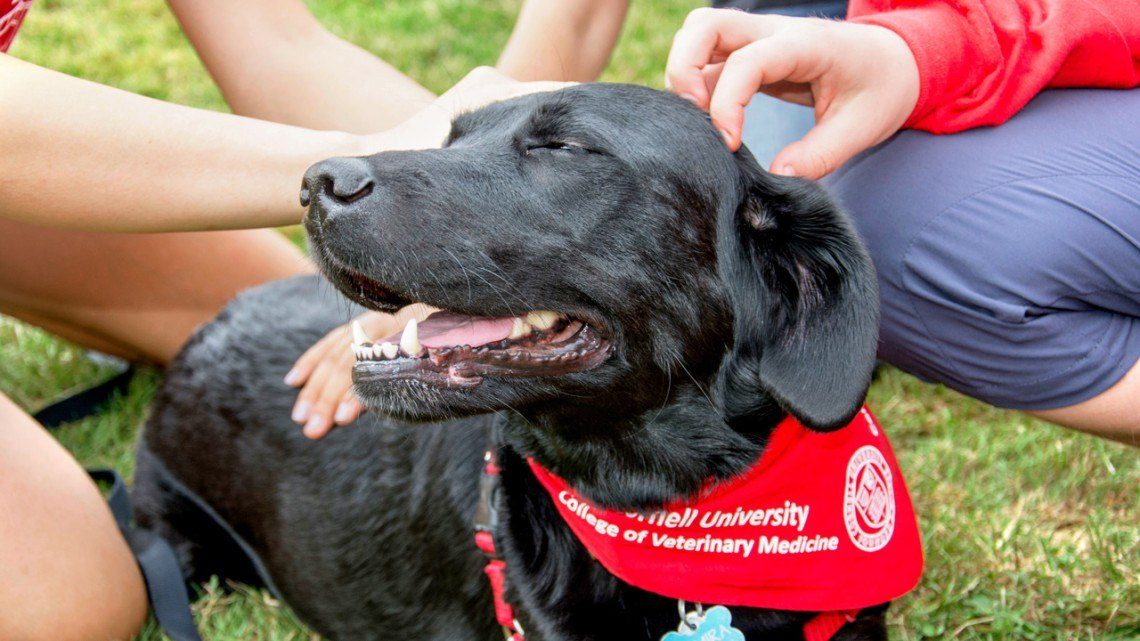
A $30 million gift from Margaret and Richard Riney has endowed and named the Cornell Margaret and Richard Riney Canine Health Center at the College of Veterinary Medicine. The gift will fund world-class research, public outreach, and engagement with dog lovers.

‘Doggles,’ booties keep student’s service dog safe in the lab

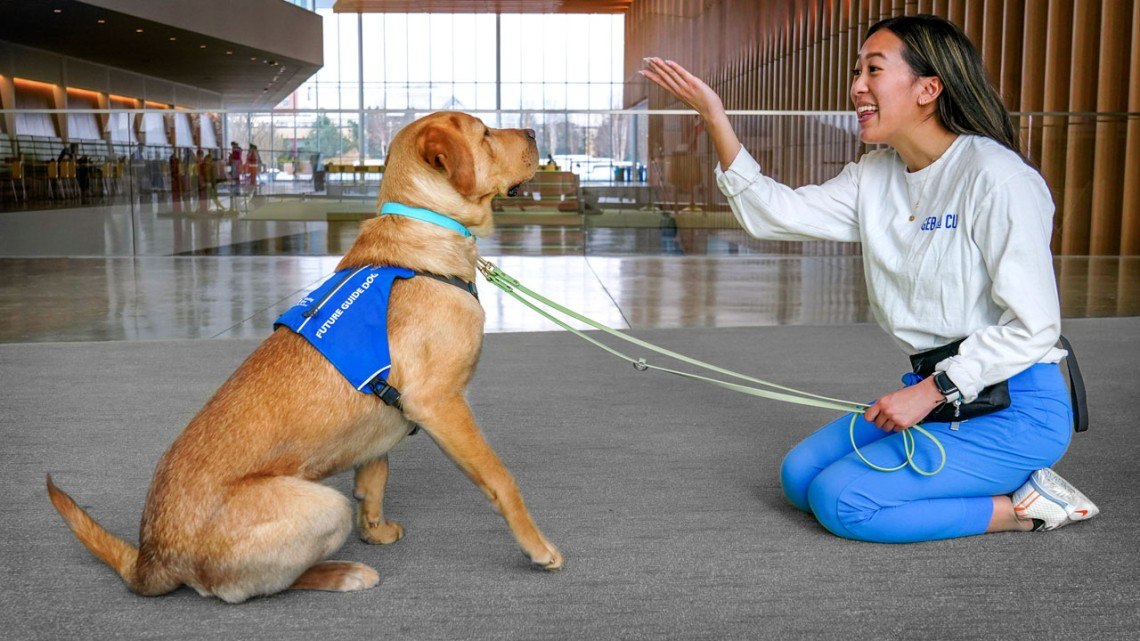
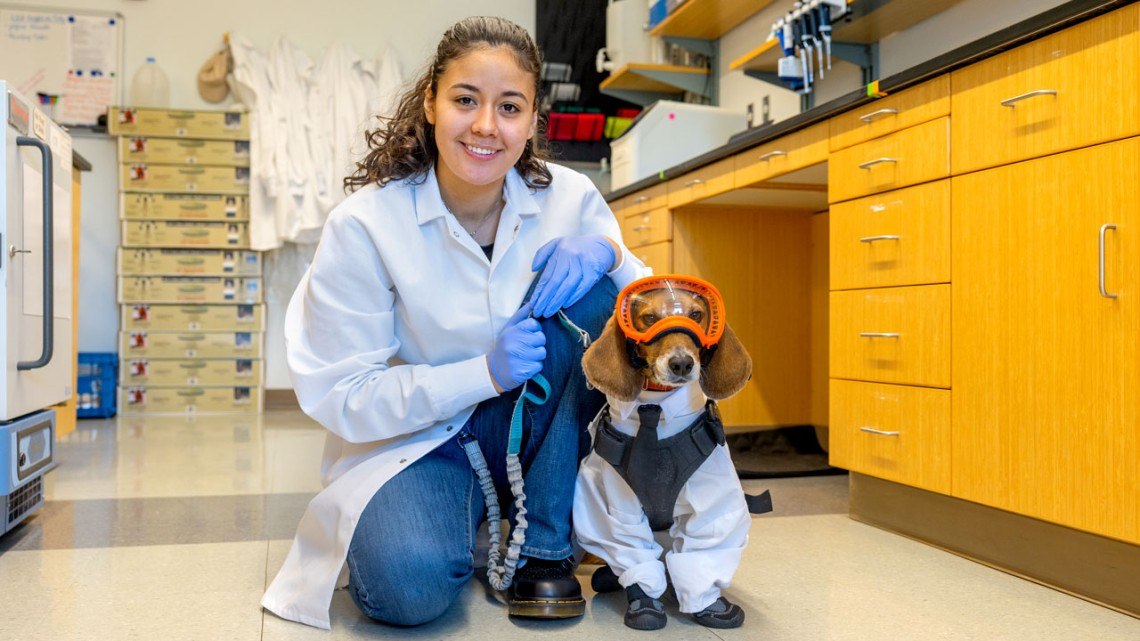
Multiple faculty and staff at Cornell worked with Genesis Contreras ’24 to keep her service dog safe in a lab setting. Nugget worked in the lab in full personal protective equipment (PPE), including “doggles” or dog goggles, booties, and a custom lab jacket.

Landmark study finds parallels in feline and human cancers

A groundbreaking study from an international team of experts in veterinary medicine, human medicine, and genomics provides the first large-scale genetic map of feline cancer, revealing that cancer in cats may be key to understanding several human cancers.

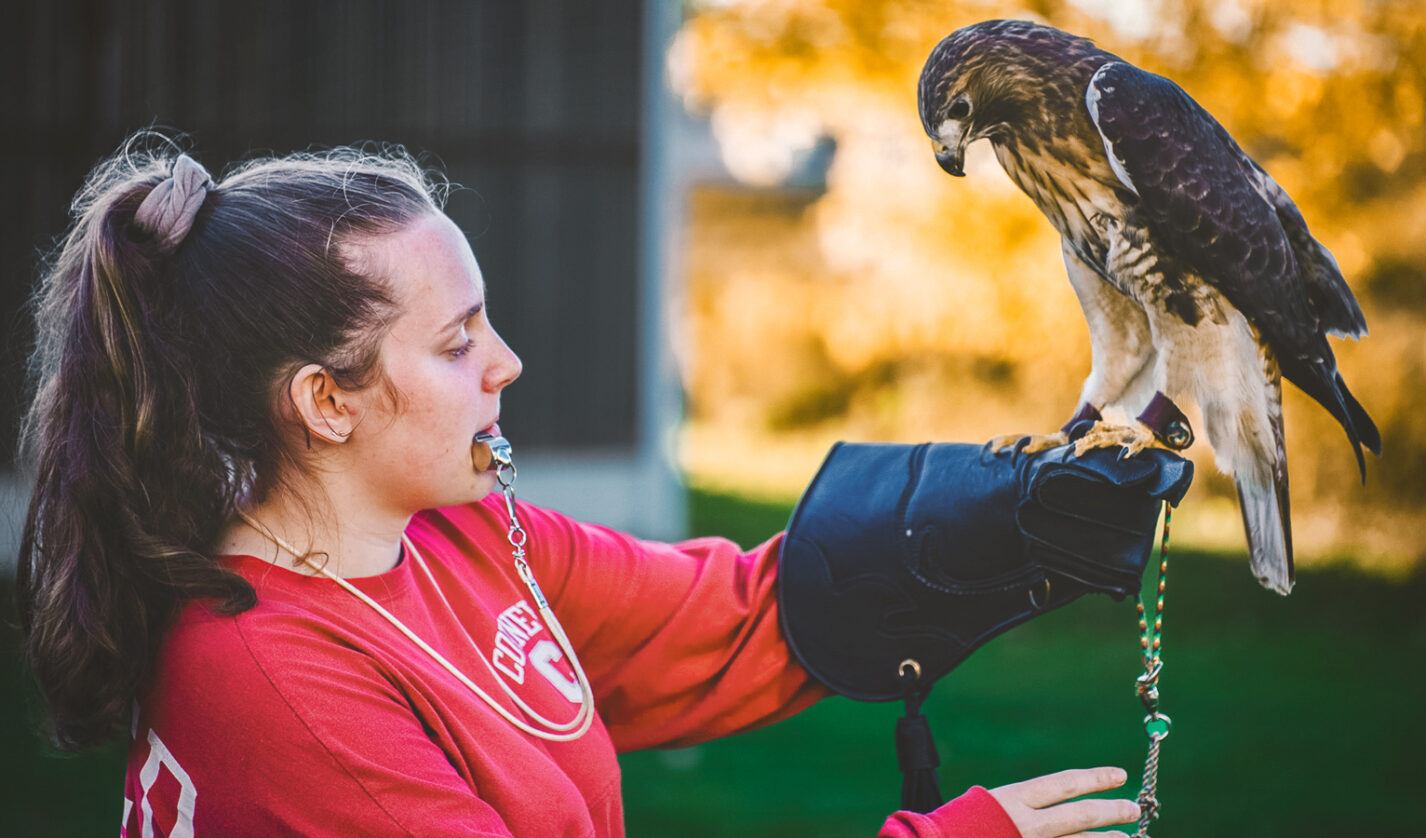
At Cornell’s Raptor Program, animal care and education take wing

For more than three decades, student and alumni volunteers have tended to eagles, hawks, vultures, owls, and more.

Protecting all creatures, great and small—around the globe

From Ithaca to the plains of southern Africa, the Cornell Wildlife Health Center is working to heal the natural world.

Caring for wildlife in Cornell’s own backyard

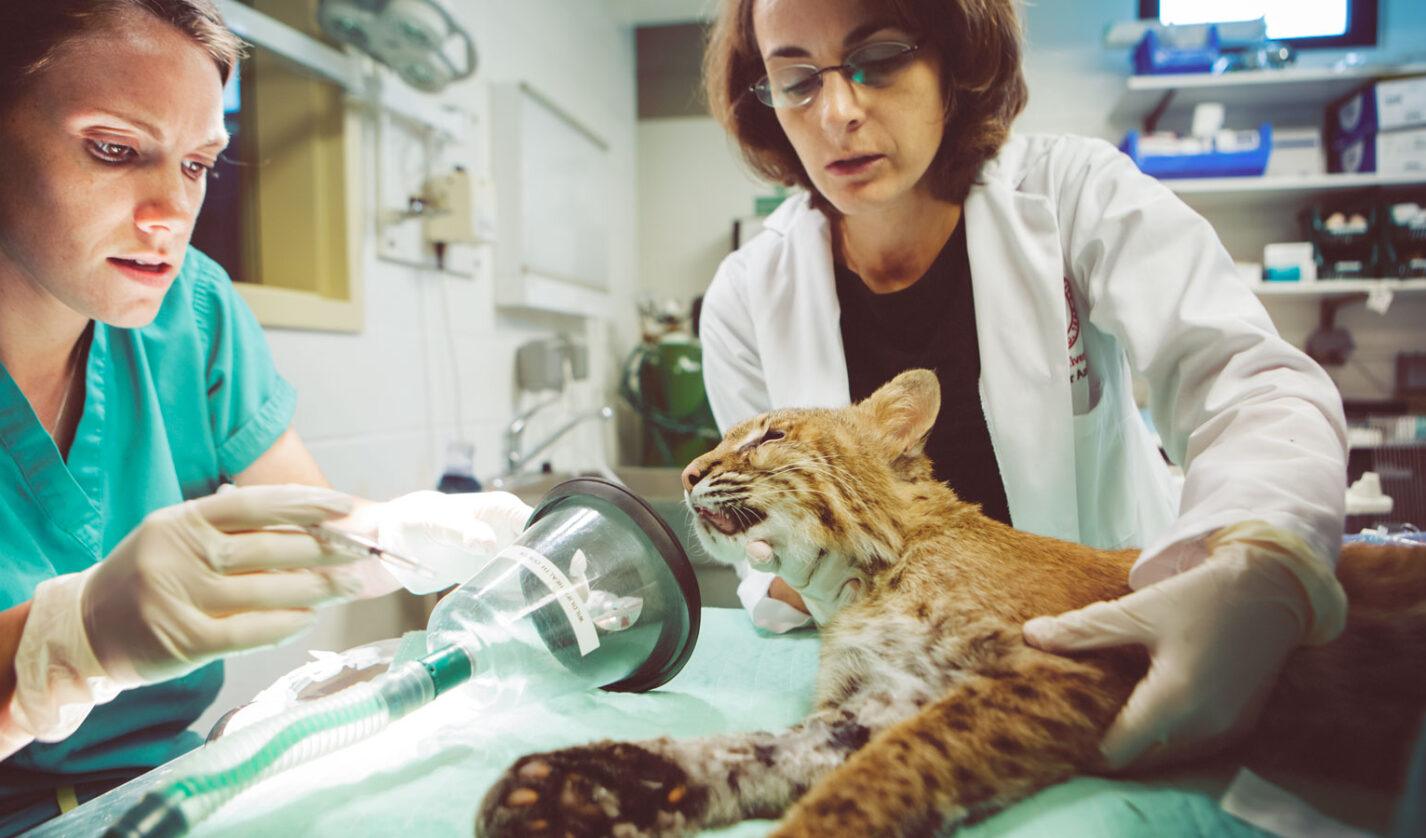
The Janet L. Swanson Wildlife Hospital provides lifesaving medical care for native wild animals. Care is offered free of charge to New York State residents.

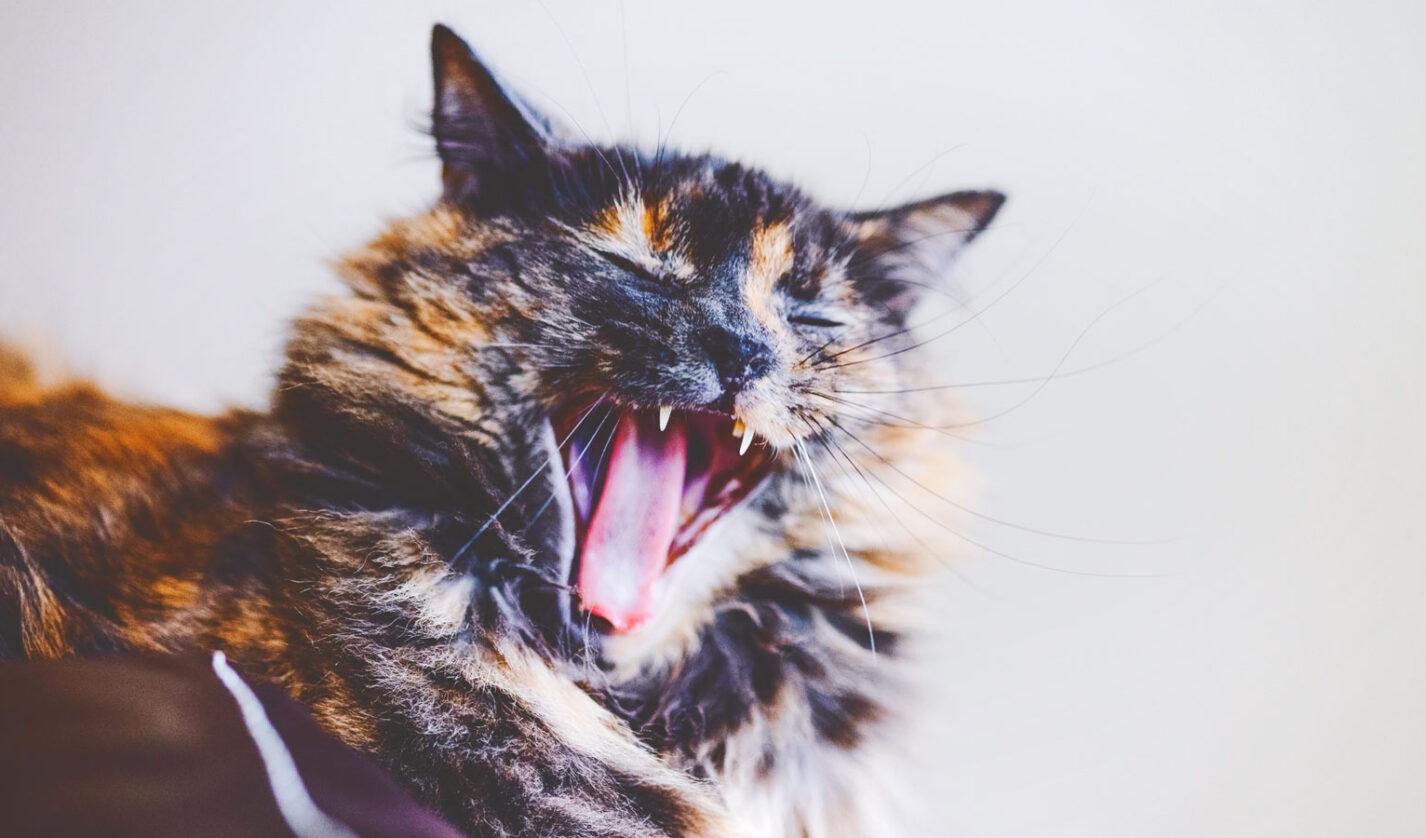
Celebrating a half-century of helping kitties

The Cornell Feline Health Center celebrated its 50th birthday in 2024—marking a half-century of funding scientific work aimed at finding better ways to diagnose, treat, and prevent disease in cats.

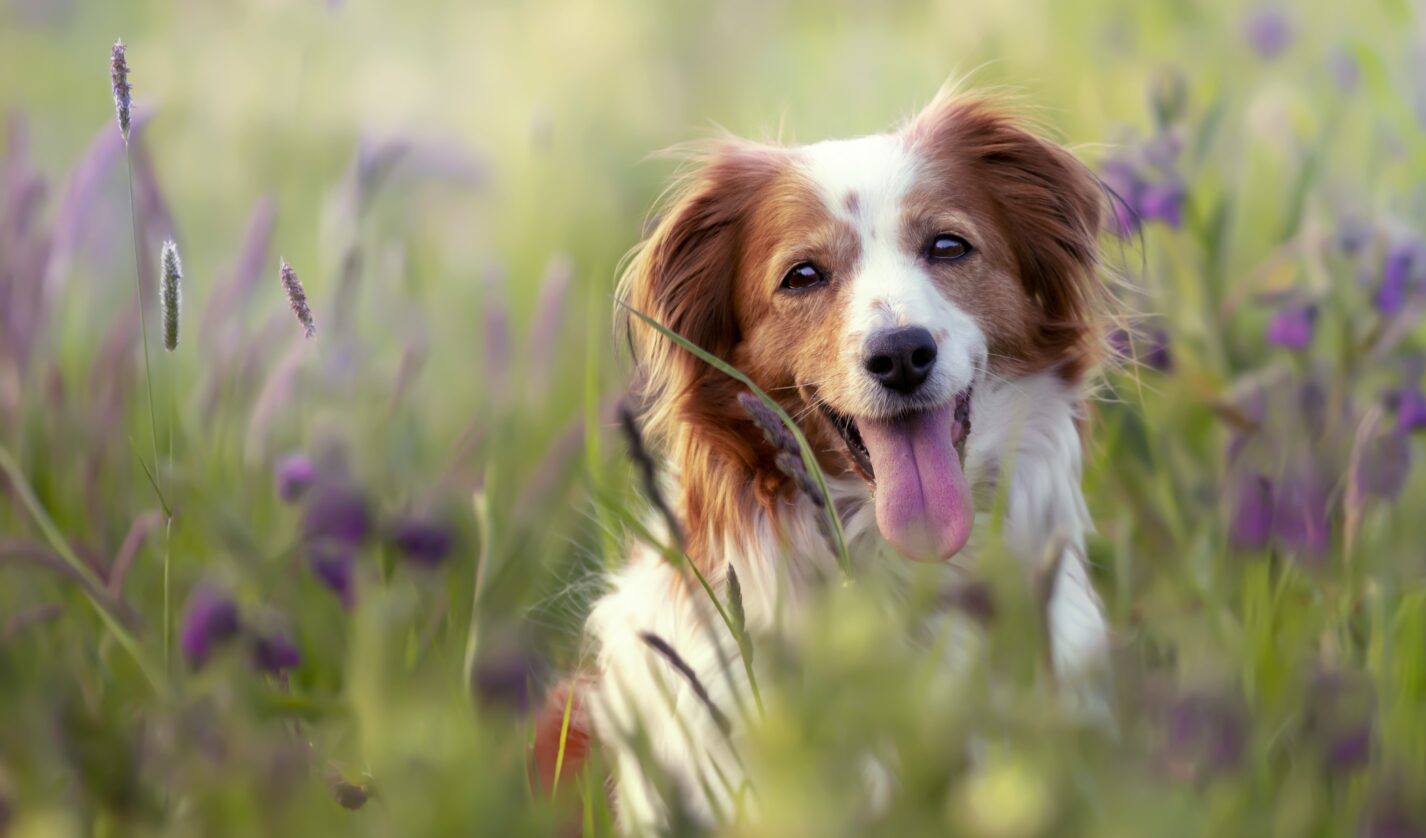
Decoding dementia in dogs could help fight Alzheimer’s

“What we’re trying to do is find a better understanding of the disease in dogs and translate those findings to humans.” —Dr. Marta Castelhano, director of the biobank and Cornell’s principal investigator on this grant.

From bats to bears, program protects NYS wildlife from disease

A key partnership between Cornell and the DEC, the New York State Wildlife Health Program coordinates responses when disease strikes New York’s wild animals. By translating data into policy, the program also helps to prevent outbreaks in domestic animals and people.

$12M grant establishes Duffield Institute for Animal Behavior

The Duffield Institute for Animal Behavior will advance understanding of animal behavior and well-being—with the ultimate goal of improving the lives of companion animals and their caretakers.

Carmen Smith ’17, DVM ’21 is a wildlife pathology fellow with the Cornell K. Lisa Yang Center for Wildlife Health. Carmen works in the lowland forests of Nepal—home to nearly a quarter of the world’s greater one-horned rhinos. His work uncovers emerging threats to rhinos, including the potential that invasive plants along the edges of protected areas are toxic.


Building a more sustainable future

Cornellians are working towards a more sustainable campus and world. We’re mobilizing experts across disciplines—bringing scientific knowledge and creative problem-solving to complex and interconnected challenges. Our research spans critical areas like carbon dioxide sequestration and removal, resilient agriculture, biodiversity, stratospheric engineering, and extreme event mitigation.

Your support means we can continue finding solutions that matter, leading to a healthier planet for all.

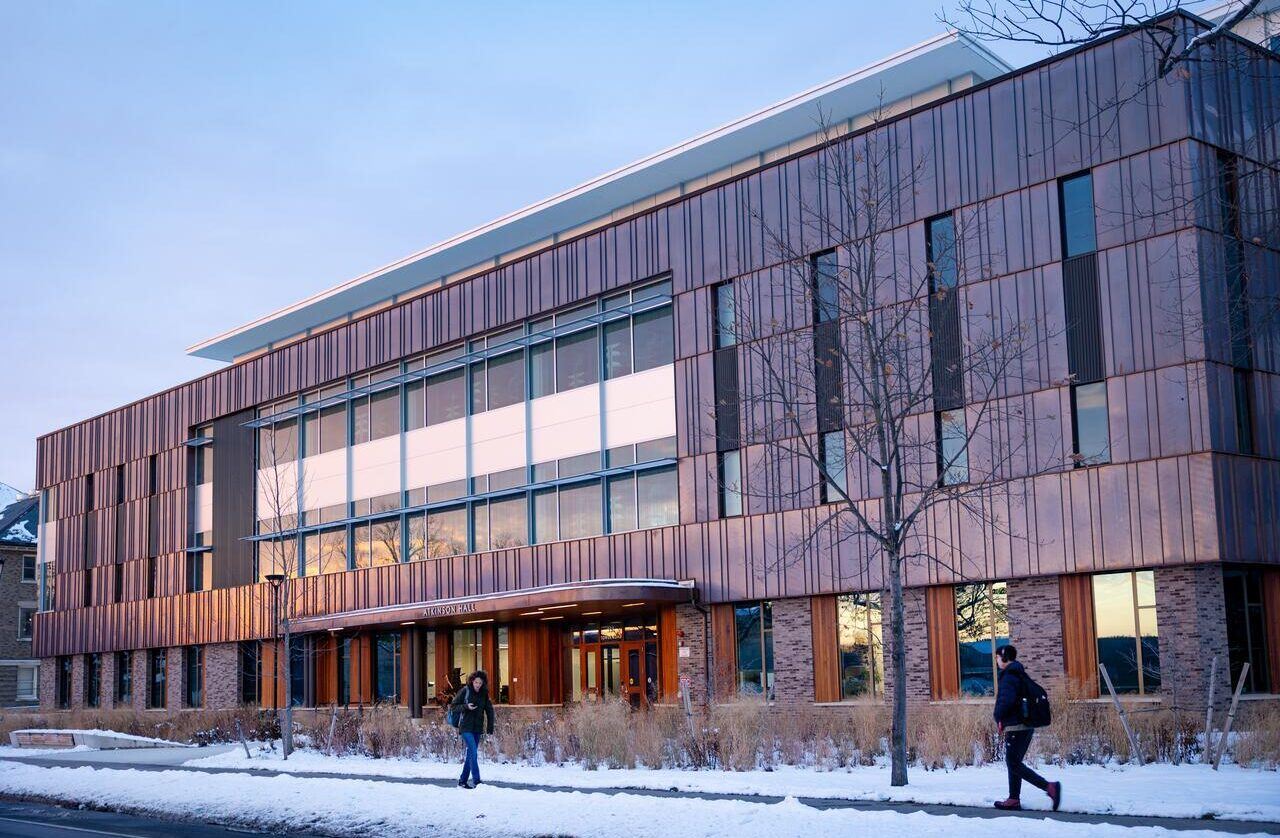
Atkinson Hall opens as a hub for research, collaboration

Thanks to a landmark gift, the new Atkinson Hall is an epicenter for radical collaboration, research, and finding solutions to urgent global challenges.

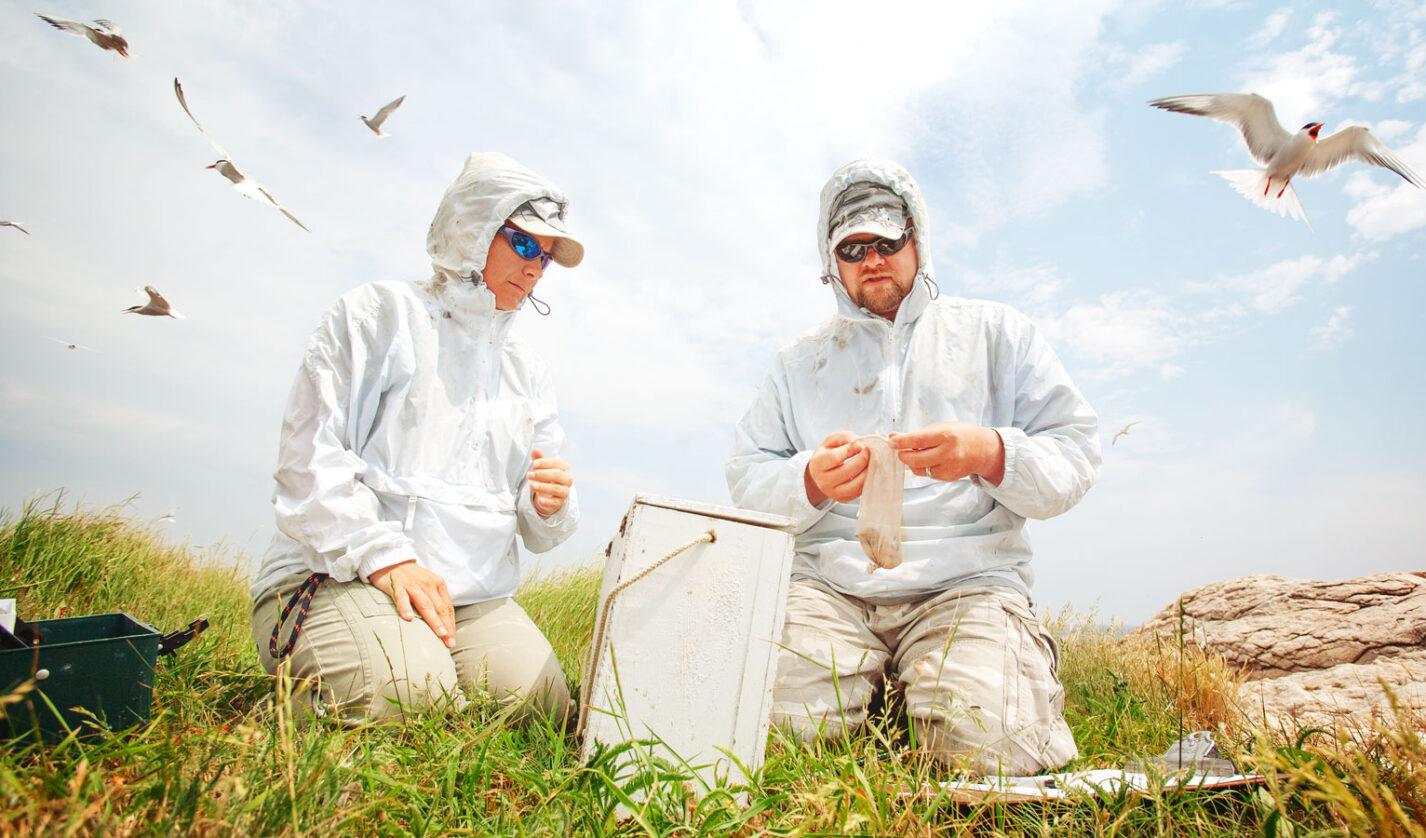
By the deep blue sea, an idyllic spot for teaching and research

For more than half a century, students and faculty—from Cornell and elsewhere—have flocked to Shoals Marine Lab on Maine’s Appledore Island.

Donors come together to support Cornell’s 2030 Project

The 2030 Project: A Cornell Climate Initiative aims to bring together the full breadth of Cornell’s transdisciplinary expertise to drive research, yield new insights, and find impactful, large-scale solutions.

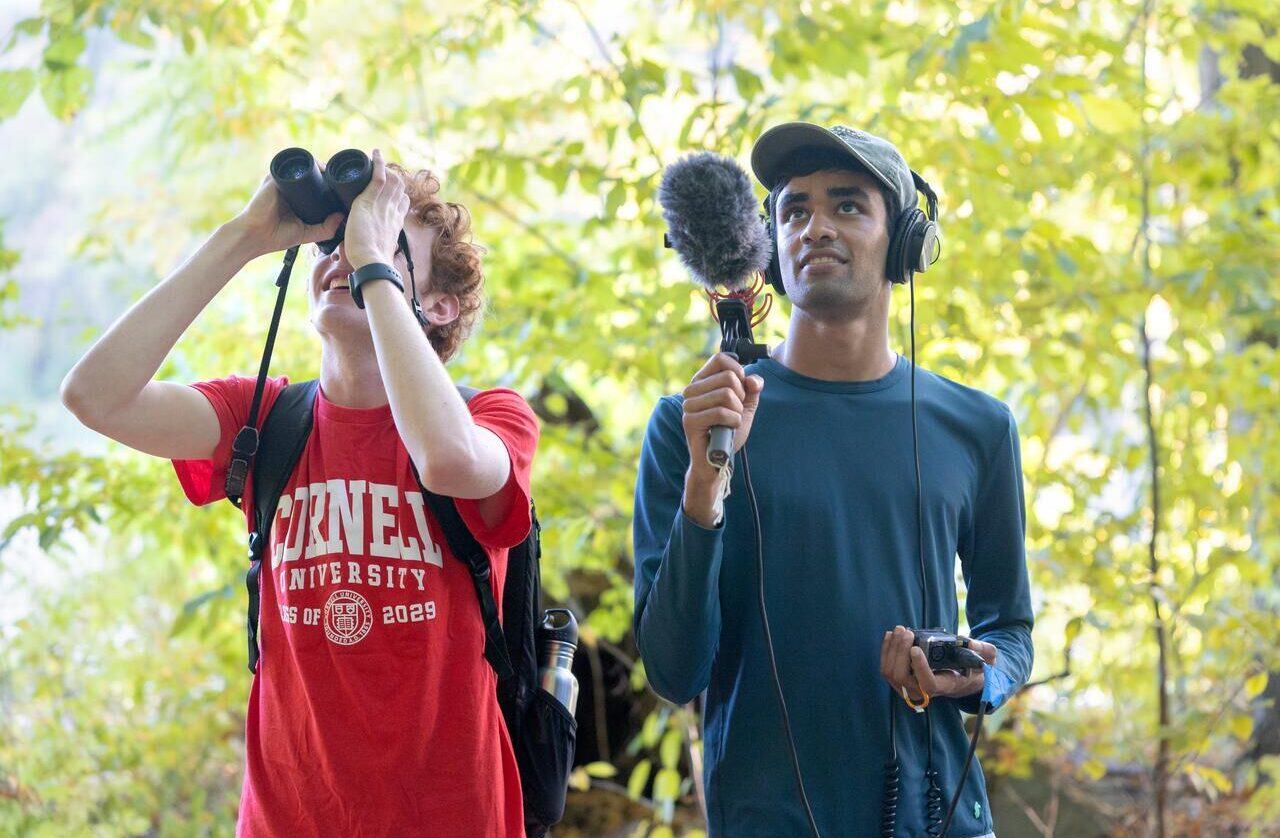
Gift establishes K. Lisa Yang Center for Conservation Bioacoustics

A gift from K. Lisa Yang ’74 has transformed the Lab of Ornithology’s bioacoustics research, helping Cornell build a global network of researchers who can share acoustic analysis and conservation strategies.

Cornell ash trees aim to beat back borer insects

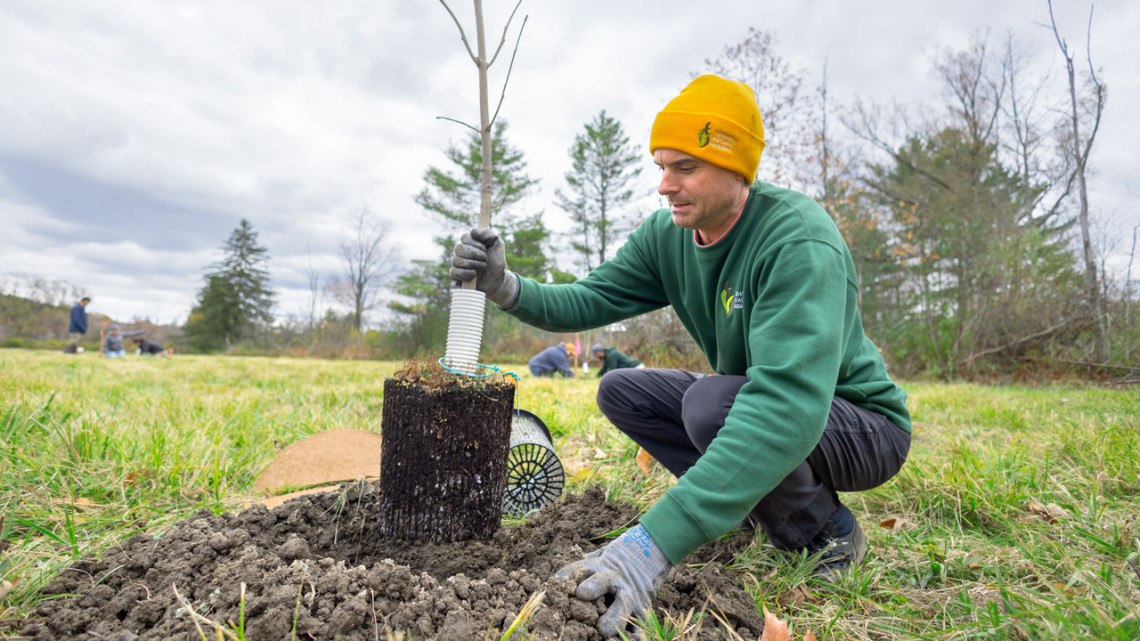
Ash saplings planted on Cornell land are potentially resistant to devastating emerald ash borer insects, making the university the first site in New York State to propagate resistant trees.

Major gift endows Cornell Mui Ho Center for Cities in AAP

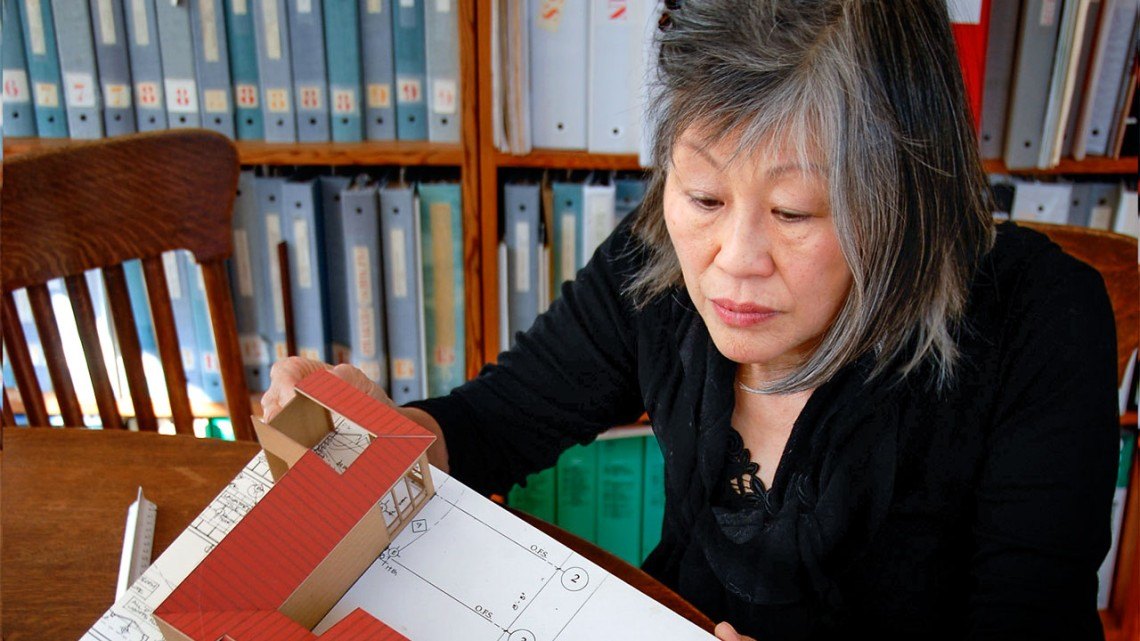
A foundational gift endowed and named the Cornell Mui Ho Center for Cities in the College of Architecture, Art and Planning (AAP). The center will advance research, teaching, and partnerships dedicated to fostering more sustainable and just cities.

Historic gift endows Cornell CALS Ashley School

A gift to Cornell’s College of Agriculture and Life Sciences established the Cornell CALS Ashley School of Global Development and the Environment, combining the Department of Global Development and the Department of Natural Resources and the Environment.

Student projects earn CIDA Research Innovation Fund awards

This annual summer program supports student-led research projects that bring together expertise from agriculture, veterinary medicine, engineering, computing and data science to address challenges facing food and agricultural systems.

Solar solutions: Bio-inspired approach creates bespoke photovoltaics

Most solar panels are not much to look at. And their flat, nonflexible composition means they can only be affixed to similarly flat structures. But what if photovoltaic panels were constructed of lightweight fabric that was aesthetically attractive and could wrap around complex shapes, contouring to better absorb sunlight?

CALS alumnus’ gift supports Plant Science Building renovation

“Cornell has been a keystone in whatever success I’ve enjoyed in life. At this point in time, with global warming, mass migration, and hunger concerns in the news and in our daily consciousness, I feel it’s important to support the efforts of the people who are working to address these problems.” —William Boyle ’55, MBA ’56

Listening to the land: bringing Indigenous knowledge into practice

Students in a Cornell landscape architecture design studio took on a tall challenge: to imagine the future of Seneca Meadows, New York State’s largest landfill.

The possibility to influence change from Cornell out into the world is what drives us. I get to learn with our incoming generation of architects about the most pressing issues of our time, like climate change, and what role we play in that bigger global picture.
—Felix Heisel, assistant professor in the College of Architecture, Art, and Planning, director of the AAP Circular Construction Lab, and Faculty Fellow with the Cornell Atkinson Center for Sustainability

Mangrove forests are among the planet’s most powerful natural climate solutions—storing vast amounts of carbon and helping regulate greenhouse gases like methane. Researchers, students, and partners share how a student-built ‘Cornell Flux Chamber’ is helping unlock mangrove science.

Turning apple waste into profit and protein

A Cornell study offers apple skins, seeds, cores, and pulp a second life. Freeze-dried and milled into a fine powder, the byproduct can be blended into commercial beef meatballs.

Fungi could transform leftovers into lifelines

A group of Cornell food science researchers say one way to feed the world’s growing population may be networks of fungi quietly transforming agricultural waste into food.

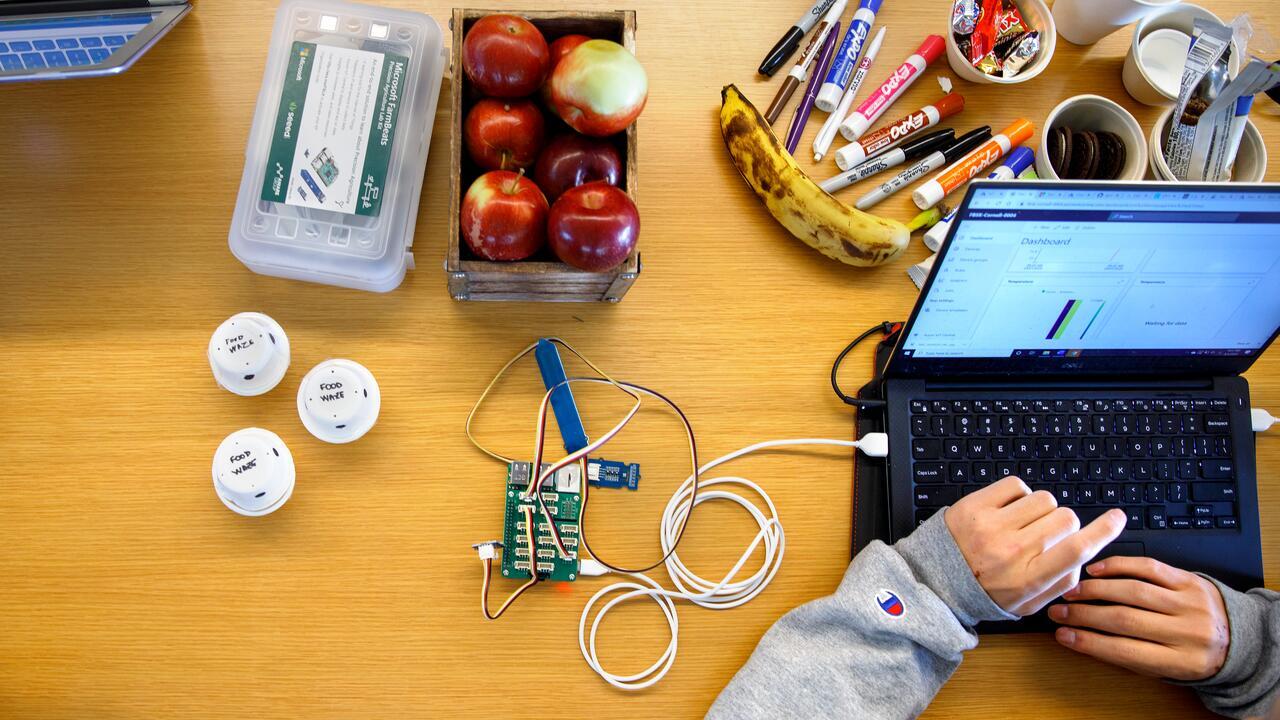
Students tackle campus trash and food waste

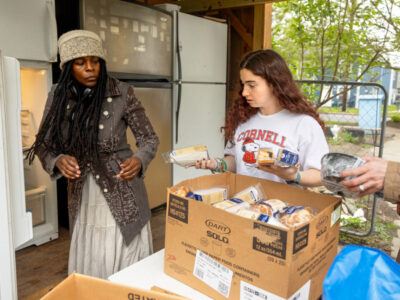
In Cornell dining halls, student coordinators are tracking food waste in the front of house, while another student group works behind the scenes to donate untouched leftover food to the community.

Niagara County orchard helps grow Cornell ag innovation

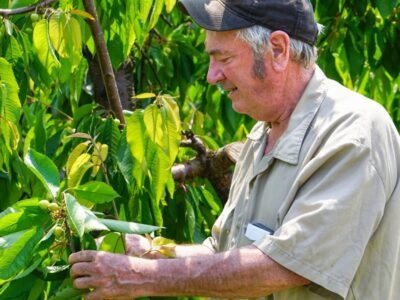
Bittner-Singer Orchards, a 400-acre farm along the shores of Lake Ontario, has been growing fruit for over a century. But what looks like your average orchard is also the site of cutting-edge Cornell research.

5.5M ground-nesting bees make home in Ithaca cemetery

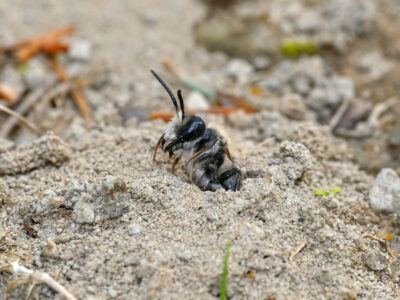
An Ithaca cemetery is home to one of the largest and oldest recorded aggregations of ground nesting bees in the world—important agricultural pollinators for high-value specialty crops like apples.

Dairy innovation program nurtures the cream of the crop

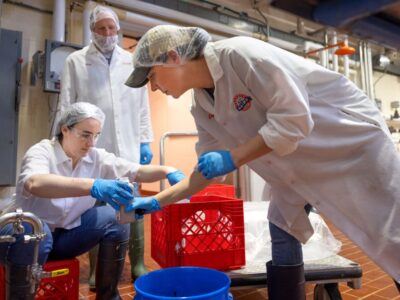
Participants in Cornell’s Dairy Runway Program leave fueled with the knowledge and recipes needed to launch new companies featuring innovative dairy products.

40000+
new food products brought to market with help from Cornell Agritech

90%
of all completed Cornell Atkinson projects have achieved at least one real-world impact

$6.1M
awarded annually for sustainability research through Cornell Atkinson

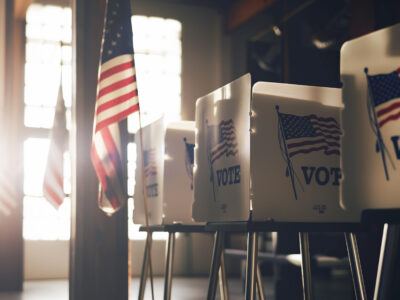
Protecting our democracy

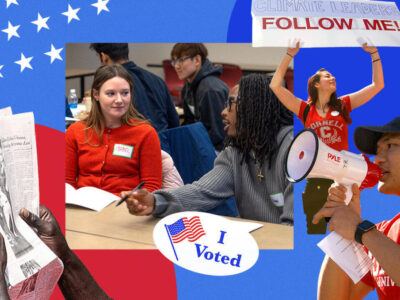
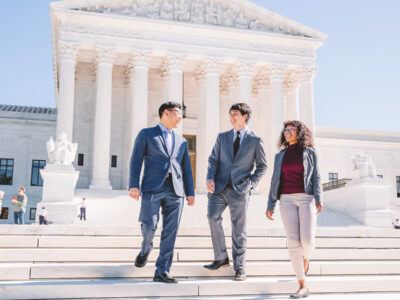
In and out of classrooms, we’re growing the next generation of engaged citizens. Students are learning how to disagree constructively and how to advocate for the causes they care about. Community-engaged partnerships, courses on pluralism and democratic citizenship, and programs like Cornell in Washington and the Democracy Research Fellows help prepare our students to participate meaningfully in public life.

Your support keeps these vital efforts going.

Cornell experts share findings from their research on the future of democracy, and what all of us can do to help protect it.

I hope there is more awareness of what is going on in this country, and more reaction and more desire to be involved and to articulate, communicate, participate. If we can improve the public forum, we’re likely to have more of a movement toward fairness and thoughtfulness.
—Fred Rubinstein ’52, LLB ’55, speaking about his gift to endow the Susan August Rubinstein Professorship in the Department of Government in the College of Arts and Sciences

New Cornell Center on Democracy will support democratic principles at home and abroad

Rooted in Cornell’s land‑grant mission to serve the public good, the center will mobilize leading scholars to strengthen democracy through rigorous research, democratic education, and public engagement.

‘If you can keep it’: Cornell scholars tackle democracy’s modern threats

From Cornell’s founding to the present, scholars have studied the concept and the practice of democracy. Now, scholars say, is a particularly grave moment for democracy in the U.S., given a unique confluence of social, political, and economic pressures.

How Cornell is educating the next generation of citizens about democracy

Courses across Cornell’s colleges cover topics from how to engage in civil discourse, to using data to inform public policy, and how to advocate for government transparency and First Amendment rights.

Immigration Law & Advocacy Clinic leads coordinated efforts on detention advocacy

The 1L Immigration Law & Advocacy Clinic (ILAC) of Cornell University’s Migration and Human Rights Program has long focused on direct, on-the-ground immigration work. But what began as direct-services advocacy has also expanded into a multi-state detention project.

These students are learning on ‘The Hill’—but not in Ithaca

For nearly a half century, the Cornell in Washington program has offered immersive, life-changing lessons in the nation’s capital.

Course introduces students to constructive disagreement

A new course brings speakers with opposing viewpoints together to discuss some of today’s most contentious issues: for example, immigration, the merits of democracy, capitalism, and progressivism.

How to get Democrats and Republicans to strengthen democracy

Led by a Cornell faculty member, a “megastudy” surveyed more than 32,000 Democrats and Republicans to test 25 ideas crowdsourced from social scientists and other experts around the world.

Getting your facts straight: tips on media literacy

To avoid consuming—and spreading—misinformation, check out these handy, no-nonsense guidelines from Big Red librarians.

AI chatbots can effectively sway voters—in either direction

Cornell research finds that a short interaction with a chatbot can meaningfully shift a voter’s opinion about a presidential candidate or proposed policy in either direction.

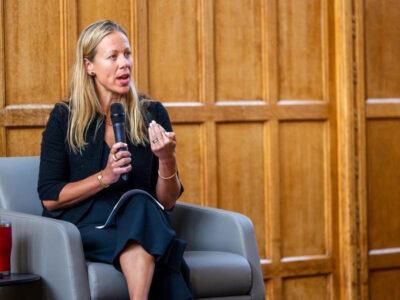
Cornell University Librarian Elaine Westbrooks speaks on the vital role libraries play in sharing knowledge, combating disinformation, and more.

People are much more sensitive to whether something is true than whether it lines up with their politics. Getting them to think more makes them better at judging how accurate it is—and I think that’s an optimistic message.
—David Rand ’04, Cornell faculty member working on multidisciplinary social science research

You helped Cornell to do the greatest good

Throughout the record-breaking To Do the Greatest Good campaign, Cornellians united around a shared purpose: doing the greatest good we can do for our students, our nation, and our world. Every gift, every act of service, and every moment of connection to Cornell made a difference.

220600
engaged alumni
Surpassed our 200,000 goal
70% of all living alumni

500000+
donors

$6.8B
raised
Surpassed our $5 billion goal

$437M
Cornell Annual Funds
Surpassed our $400 million goal

Categories

Division of Alumni Affairs and Development Ithaca, NY